A blowout on a loaded rig rarely comes out of nowhere. Usually the tire has been sending signals for days: a few PSI short every morning, a load riding heavy on one side, a sidewall scuff nobody looked at twice. The common causes of blowouts in commercial trucks are well known, which is good news for you. Know what builds up to a failure and you can stop it before it becomes shredded rubber on the shoulder or a close call in traffic.
Here are the main reasons commercial truck tires fail and how to get ahead of each one.
Heat Buildup From Running With Low Pressure
An underinflated tire flexes harder through the sidewall on every revolution, and that bending turns into heat. Heat weakens the rubber and the bonds between the steel belts and the casing. A tire that looks normal can still be well under what its load requires.
Signs a tire is running low:
- A slight squat at the bottom of the tire
- Heavy shoulder wear or a rippled tread
- A hot rubber smell after you park
- Pressure monitor alerts that come and go
Check pressure cold, before the first mile of the day, and set it to the tire’s load and inflation table. Keep caps on every valve stem. If one position keeps losing air, our tire repair service tracks down slow leaks, bad valve cores and bead seal problems before they cook the casing.
Overloading And Improper Weight Distribution
Correct pressure only protects a tire up to its rated capacity, which is tied to its size and inflation. Overload the unit, or let weight settle unevenly across an axle, and a couple of tires end up doing work they were never built for. Extra strain means extra heat, and that can lead to belt separation and sudden failure.
How weight ends up in the wrong place:
- Off-center pallets that load one side
- Liquid loads surging in turns and stops
- Too much weight on the steer axle
- Legal gross weight with one axle over
The scale only tells you what the load weighed when it crossed, and freight can move after that. A new lean, a steady pull or an odd bounce can mean one axle is carrying more than its share.
Road Hazards That Cut Or Pinch Tires
A pothole, curb or piece of debris can slice the tread or pinch the casing against the rim. The damage is often hidden while the tire still holds air. Days later, heat and weight finish the job.
Hazards that take out truck tires:
- Potholes on ramps and city streets
- Curbs clipped at docks and delivery stops
- Scrap metal, bolts and lumber in the lane
- Steel plates and uneven seams in work zones
After a hard impact, walk around the truck at your next safe stop. Look for fresh gouges, bulges or exposed cords, and notice any new shake in the steering. A sidewall bulge means internal damage, so do not keep running on it. If you are stuck, our emergency roadside assistance team can come to you for a tire change and a safety check.
Tire Age, Storage, And Sidewall Fatigue
Plenty of tread does not mean a tire is young. Rubber breaks down with time, and sun, heat and ozone speed up sidewall cracking. Trailers parked for weeks are especially at risk, because the same section of each tire holds the weight the whole time.
Reading the age: find the DOT code on the sidewall. The last four digits are the week and year of manufacture, so 3222 means the 32nd week of 2022. Many fleets retire tires at a set age regardless of tread.
Storage and parking habits that help:
- Park in the shade when you have the option
- Keep parked units at correct pressure
- Move stored trailers now and then
- Skip petroleum-based sidewall cleaners
Mechanical Problems That Overheat One Wheel End
Some blowouts are a mechanical problem in disguise. A dragging brake, a dry or overtightened bearing, or an axle out of alignment can push heat into one wheel position until the tire gives up.
Usual suspects:
- Brakes that are not releasing all the way
- Bearings running dry or too tight
- Bent parts from a curb strike
- Misalignment scrubbing the tread
- Duals with mismatched diameters
At a normal stop, compare wheel ends across each axle. An infrared thermometer makes it quick, and even holding a hand near each hub can reveal one running far hotter. Fix the source, not just the tire. Our truck maintenance services cover the brakes, bearings and alignment issues behind repeat tire failures.
Mounting Errors And Retread Problems On Fleets
How a tire is mounted matters as much as the tire itself. A bead that is not fully seated, a damaged rim flange or a cracked valve stem can all bleed air slowly, and on a heavy truck a slow leak becomes a heat problem fast. With duals, a rock caught between the pair can grind at the sidewalls until one fails.
Retreads work well on fleets when the casing is healthy and the process is done right. Trouble starts when a casing carries hidden damage, or when a tire ran low for a long stretch before retreading.
Warning signs after a new mount:
- A tire that needs air every few days
- Vibration, wobble or pull that was not there before
- Uneven wear that starts early
- Cuts or damage near the bead
Daily Checks That Prevent The Common Causes Of Blowouts In Commercial Trucks
Most of the common causes of blowouts in commercial trucks can be caught with a few minutes of checking before you roll. Use the same steps every time and write down what you find. A simple log helps you spot the tire that keeps losing air or the axle that keeps wearing unevenly.
Pre-trip tire routine:
- Gauge cold pressure on every tire, inside duals too
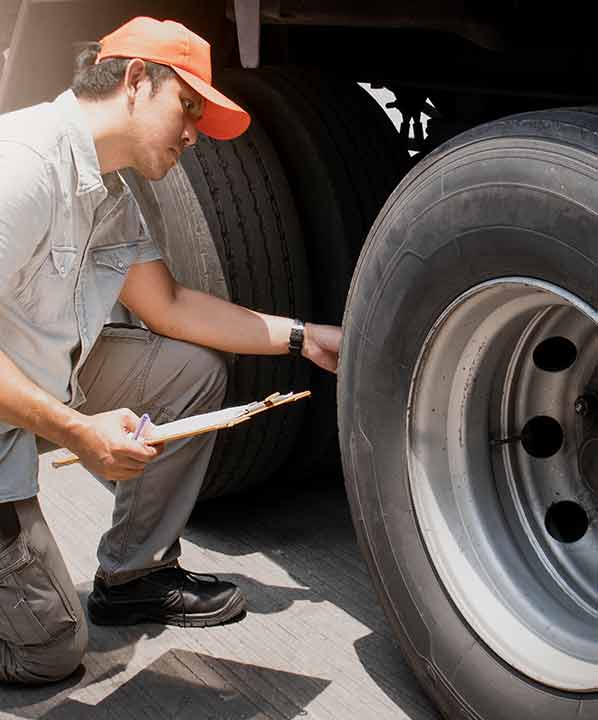
- Look for nails, cuts, cords and bulges
- Look over valve stems and make sure caps are in place
- Measure tread depth and note any uneven wear
- Listen for hissing air leaks
While driving: give curbs room, slow for potholes when it is safe, and pull over if the truck suddenly shakes or pulls. If a tire lets go, hold the wheel straight, ease off the throttle and get to a safe spot before calling for help.
Conclusion
A truck tire blowout usually traces back to something small: pressure that slipped, weight in the wrong place, an impact nobody inspected, an aging sidewall, or a wheel end running hot. Catch them early and you save tires and downtime. When something looks wrong, get it inspected before the next run.
Tire Installation LLC has helped drivers and fleets around Memphis for more than 30 years, with mobile service for semi trucks, trailers and commercial fleets along I-40, I-55 and I-240. Call (866) 998-4737 for a free estimate, tire service or roadside help.